What Makes Artificial Grass Hold Up Over Time
@thedurableartificialturfpulse
Why durability matters for artificial grass
When people decide to install synthetic grass, they usually want a surface that looks good for years without constant upkeep. Nobody wants to replace it after a couple of seasons. The materials, construction, and installation details all determine how well the turf holds up under foot traffic, sun exposure, and weather. This article covers the key factors that separate long-lasting turf from the kind that fades, flattens, or falls apart too soon.
What goes into a tough synthetic lawn
The individual blades of grass are made from different types of plastic. Polyethylene is the most common choice for residential lawns because it feels soft underfoot yet resists wear well. Some lower-cost turfs use polypropylene, which can be stiffer and less resilient over time. The shape of the blade matters too. A wider, slightly curved blade tends to spring back after being walked on, while very thin, straight blades can mat down quickly. A good quality product uses a blend of blade shapes and thicknesses to create a natural look that also bounces back.
Behind the blades lies the thatch layer. This is a shorter, denser set of fibers that supports the longer blades and helps them stand upright. Without enough thatch, the grass can look flat and unnatural after just a few months. The thatch also hides the backing material, which adds to the realistic appearance.
Backing and drainage: the foundation of durability
The backing is what holds all the blades together and keeps the turf stable on the ground. A strong backing typically has multiple layers, often a woven polypropylene fabric combined with a coating of latex or polyurethane. The coating locks the fibers in place and prevents them from pulling out under stress. If the backing is weak, the turf can start to separate at the seams or develop bald patches where blades have come loose.
Drainage is another critical factor. Water needs to pass through the turf quickly, especially in areas with heavy rain or where pets will be using the lawn. A good drainage backing has small holes or a porous structure that lets water flow through to the ground below. Without proper drainage, water pools on the surface, which can lead to mold, odors, and a shorter lifespan for the turf. Look for products that specify drainage rates and have a backing designed to handle the expected water load.
UV stabilizers and color retention
Sunlight is one of the biggest enemies of synthetic grass. Over time, UV rays can break down the plastic, causing the color to fade and the fibers to become brittle. Manufacturers add UV stabilizers to the plastic during production to slow this process. The quality and quantity of these stabilizers vary between products. A turf that looks vibrant in the showroom may start to look washed out after a year if it lacks adequate UV protection. When comparing options, ask about the type of UV stabilizers used and whether the turf has been tested for colorfastness. Some brands offer warranties that cover fading for a certain number of years, which can give you an idea of how confident they are in their product.
Infill and its role in longevity
Infill is the material spread between the blades after installation. It helps the grass stand upright, adds cushioning, and provides weight to keep the turf in place. Common infill materials include silica sand, coated sand, rubber granules, and organic options like cork or coconut fibers. The type and amount of infill affect how the turf feels and how well it holds up. Too little infill can cause the blades to lie flat. Too much can make the surface hard and reduce drainage. The right infill also helps protect the backing from direct foot traffic and prevents the fibers from bending permanently. Over time, infill can settle or get displaced, especially in high-traffic areas. Periodic maintenance, such as brushing the turf and redistributing the infill, can extend the life of the lawn significantly.
For pet areas, infill needs to be chosen carefully. Some materials absorb odors or break down with urine exposure. Silica sand treated with antimicrobial agents is a common choice because it resists odors and drains well. There are also specially formulated infills designed for pet turf that help control bacteria and keep the surface fresh.
Pile height and density trade-offs
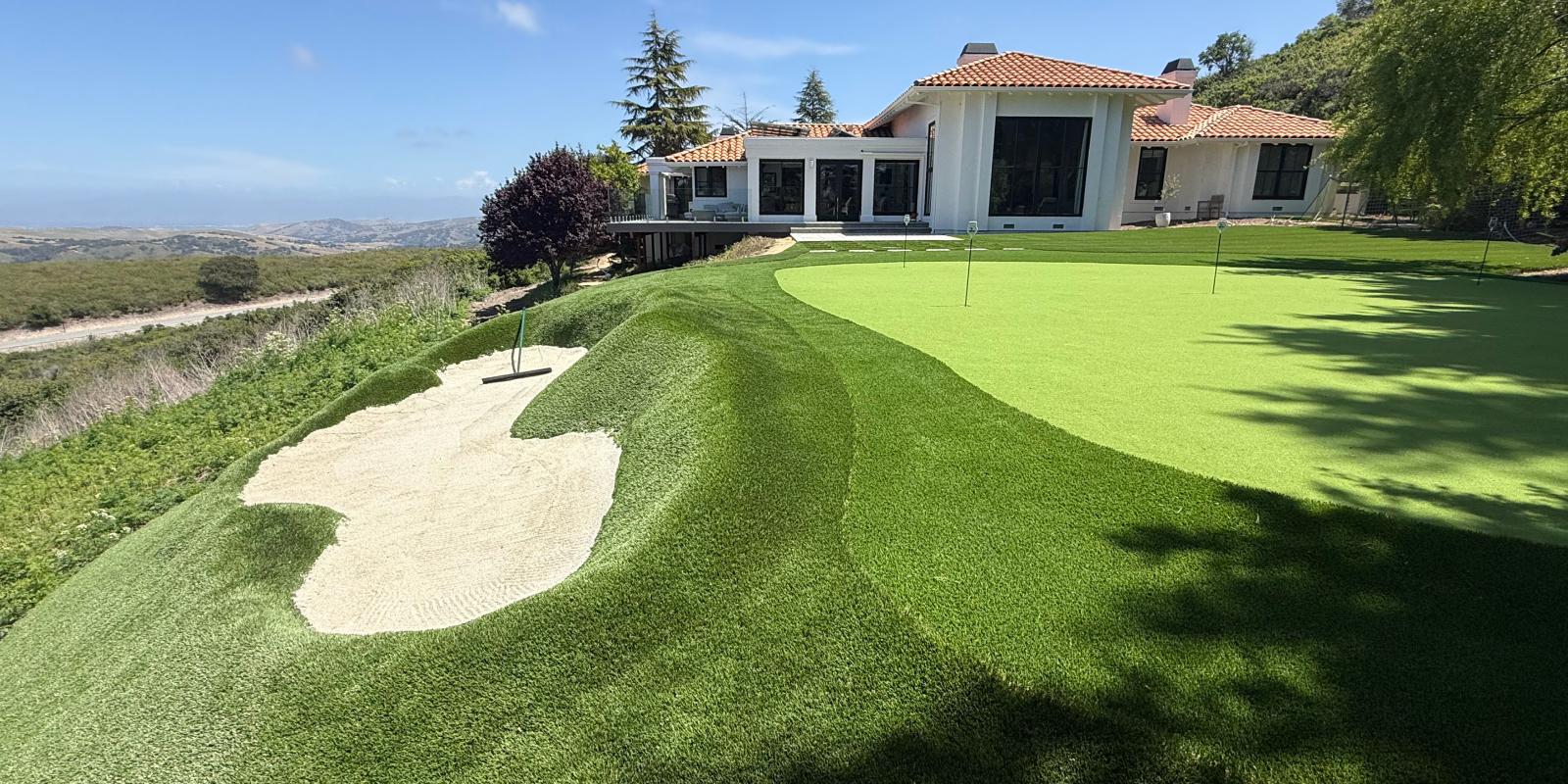
Pile height refers to the length of the grass blades from the backing to the tip. Taller pile heights, around 1.5 to 2 inches, give a lush, natural look but require more infill and more frequent brushing to keep the blades upright. Shorter pile heights, around 0.75 to 1 inch, are often used for putting greens or high-traffic areas because they stay tidy with less maintenance. Density is the number of stitches per square inch. Higher density means more fibers packed together, which creates a fuller look and better durability. However, very dense turf can be harder to clean and may need more infill. The best choice depends on how you plan to use the area. A lawn that sees heavy foot traffic or pets benefits from a medium pile height with high density, while a decorative area can get away with a taller, less dense pile.
Installation matters as much as the turf
Even the most durable artificial turf will perform poorly if it is not installed correctly. The ground needs to be properly graded for drainage, and a weed barrier should be placed underneath. The base layer, usually crushed stone or decomposed granite, must be compacted to create a stable foundation. Seams between rolls need to be joined with strong adhesive and hidden well. If the base settles or the seams come apart, the turf can develop wrinkles, dips, or gaps that ruin the appearance and shorten its life. Hiring an experienced installer or following careful instructions if you do it yourself makes a big difference in how long the lawn lasts.
One of the best ways to judge potential longevity is to look at samples that have been exposed to the elements or to check the manufacturer's warranty. A warranty that covers manufacturing defects, UV fading, and fiber degradation for 10 to 15 years is a sign of a product designed to last. Keep in mind that warranties often have conditions, such as proper installation and maintenance, so read the fine print.
Choosing the right turf for your needs
Not all synthetic grass is the same, and the most durable artificial turf for one application might be wrong for another. For a backyard where kids play, you want a turf with strong backing, high density, and a pile height that won't trap too much dirt. For a putting green, a shorter pile with a firm infill gives a truer roll. For pet areas, drainage and odor control become top priorities. Many manufacturers offer specialized products for these uses, so it helps to match the turf to the specific demands of your space.
Climate also plays a role. In hot climates, a lighter color and heat-reflective infill can keep the surface cooler. In rainy areas, drainage capacity matters most. In places with freezing winters, the backing and infill must withstand freeze-thaw cycles without cracking or shifting. Asking about regional testing or recommendations can save you from choosing a product that works well in one climate but fails in another.
Maintenance is relatively simple but not zero. Regular brushing keeps the blades upright and distributes the infill evenly. Rinsing with a garden hose removes dust and debris. For pet areas, a quick rinse after use and occasional deodorizing treatment keeps things fresh. Leaves and sticks should be removed promptly to prevent them from breaking down into the turf. With basic care, a quality synthetic lawn can look good for 15 to 20 years.
The key is to focus on the construction details rather than just the price. A cheap product may look acceptable at first but can fade, flatten, or fall apart within a few years. Investing in better materials and proper installation pays off over the long run. By understanding what makes turf durable - the blade quality, backing strength, UV protection, infill type, and installation methods - you can choose a product that meets your needs and stands up to daily use.